
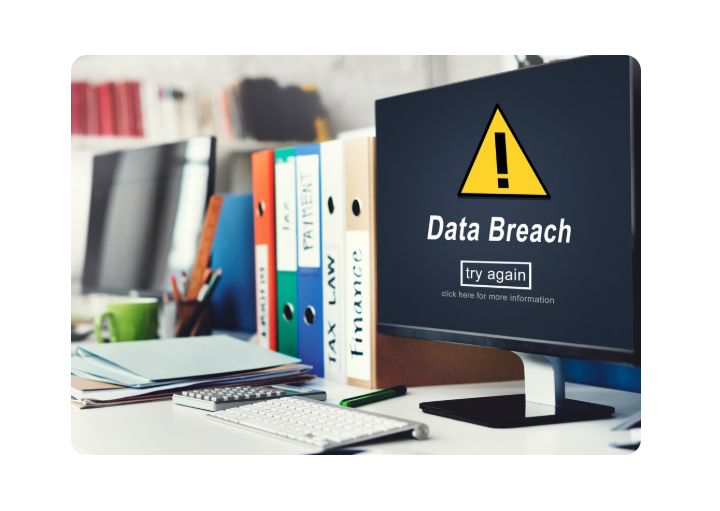
Introduction to Data Breach Reporting in the UK
Data breach reporting is a critical obligation under UK GDPR and the Data Protection Act 2018. Organisations must respond swiftly when personal data is compromised. The Information Commissioner’s Office expects structured incident handling and clear reporting decisions. Failure to comply can result in enforcement actions, financial penalties, and reputational damage. Effective breach reporting requires governance, documentation, and rapid risk assessment. It is not only a regulatory requirement but also a sign of organisational accountability. Understanding UK data breach reporting obligations enables businesses to manage incidents responsibly while protecting individuals’ rights and maintaining regulatory trust.
Core principles
- Legal obligation under UK GDPR
- ICO oversight and enforcement
- 72-hour reporting timeframe
- Risk-based assessment required
- Protect individuals’ rights
- Maintain accountability records
What Constitutes a Personal Data Breach
A personal data breach occurs when personal data is accidentally or unlawfully destroyed, lost, altered, disclosed, or accessed without authorisation. Breaches may involve cyberattacks, human error, system failures, or insider misconduct. Not every incident requires regulatory reporting, but all breaches must be assessed. The definition extends beyond hacking events to include misdirected emails or lost devices. Organisations must evaluate confidentiality, integrity, and availability impacts. Recognising what qualifies as a breach is essential for effective reporting and compliance. Early identification ensures appropriate escalation and prevents delays in mandatory notification decisions.
Breach examples
- Unauthorised system access
- Accidental data disclosure
- Lost encrypted devices
- Ransomware attacks
- Misdirected communications
- Insider misuse incidents
The 72-Hour Reporting Requirement
Under UK GDPR, organisations must notify the ICO within seventy-two hours of becoming aware of a reportable breach. This deadline applies where the breach poses a risk to individuals’ rights and freedoms. Awareness begins when sufficient certainty exists that a breach has occurred. If notification cannot be made within seventy-two hours, reasons for delay must be documented. Prompt internal escalation processes are essential to meet this requirement. Organisations must establish structured timelines and responsibilities to avoid missed reporting windows and regulatory scrutiny.
72-hour obligations
- Report within seventy-two hours
- Assess risk immediately
- Document time of awareness
- Justify any reporting delay
- Escalate incidents promptly
- Maintain breach records
Risk Assessment for Reporting Decisions
Not all breaches require notification to the ICO. Organisations must assess whether the breach is likely to result in risk to individuals. Risk considerations include sensitivity of data, volume affected, ease of identification, and potential harm. If the risk is unlikely, notification may not be required, but documentation remains mandatory. Structured risk assessment frameworks ensure consistent decision-making. Failure to conduct proper assessment may result in under-reporting or over-reporting. Both can create regulatory challenges. Clear governance processes strengthen defensible reporting decisions.
Risk assessment factors
- Sensitivity of data involved
- Number of individuals affected
- Likelihood of harm
- Data encryption status
- Potential identity exposure
- Nature of breach circumstances
When Individuals Must Be Informed
If a breach is likely to result in high risk to individuals, affected persons must be informed without undue delay. Communication should be clear, transparent, and practical. It must describe the nature of the breach, likely consequences, and mitigation measures. Organisations should avoid unnecessary alarm but ensure honesty. In some circumstances, notification may not be required if effective encryption renders data unintelligible. Proper evaluation is essential before deciding whether to inform individuals. Transparent communication strengthens trust even during difficult incidents.
Individual notification triggers
- High risk to individuals
- Identity theft potential
- Financial harm exposure
- Sensitive personal data
- Lack of protective measures
- Clear communication required
Documentation Requirements Under UK GDPR
UK GDPR requires organisations to document all personal data breaches, regardless of reporting obligation. Records must describe the breach facts, effects, and remedial actions taken. This breach register serves as evidence of accountability. During ICO investigations, documentation quality often influences enforcement outcomes. Organisations should maintain structured templates for recording incidents. Accurate documentation supports regulatory defence and demonstrates compliance maturity. Effective recordkeeping is essential even where no external reporting occurs.
Documentation essentials
- Maintain breach register
- Record incident details
- Document decision rationale
- Capture mitigation actions
- Retain investigation notes
- Support regulatory review
Role of the Data Protection Officer
Where appointed, the Data Protection Officer must be involved in breach assessments and reporting decisions. The DPO provides independent oversight and ensures compliance with UK GDPR obligations. Early DPO involvement strengthens objectivity and reduces decision-making bias. The DPO should review risk assessments, notification drafts, and mitigation plans. Clear communication between IT, legal, and governance teams is essential. Involving the DPO supports defensible reporting decisions and aligns breach response with organisational accountability standards.
DPO responsibilities
- Review breach assessments
- Advise on reporting obligation
- Oversee notification drafting
- Ensure documentation accuracy
- Support regulatory communication
- Maintain independence
Interaction With Cybersecurity Incident Response
Data breach reporting should integrate seamlessly with incident response processes. Technical containment and regulatory reporting must operate in parallel. Delayed communication between security and compliance teams often leads to missed deadlines. Structured playbooks ensure timely coordination. Incident response teams should escalate potential personal data impacts immediately. Integrated workflows improve efficiency and reduce confusion. Combining cybersecurity and compliance governance strengthens overall breach management capability.
Integration steps
- Align IR and compliance teams
- Escalate personal data impacts
- Maintain clear reporting timelines
- Coordinate containment and notification
- Define communication channels
- Review response playbooks
ICO Enforcement Considerations
The ICO evaluates breach reporting timeliness, transparency, and governance quality. Failure to notify when required can result in penalties. However, the ICO also considers organisational intent and cooperation. Transparent communication and structured documentation can mitigate enforcement severity. Regulators expect proactive behaviour rather than defensive silence. Prompt, honest reporting demonstrates accountability. Organisations should prioritise compliance over reputational concerns when making reporting decisions.
Enforcement factors
- Timeliness of reporting
- Quality of documentation
- Transparency with regulator
- Evidence of mitigation
- Cooperation during investigation
- Repeat compliance failures
Common Mistakes in Data Breach Reporting
Organisations often delay internal escalation due to uncertainty. Another common error involves underestimating risk impact. Some businesses fail to document decision rationales. Others treat breaches as purely technical events without regulatory oversight. Inadequate training can also cause reporting confusion. Avoiding these mistakes requires structured governance, defined roles, and ongoing awareness training. Strong leadership involvement supports disciplined reporting practices.
Common pitfalls
- Delayed incident escalation
- Incomplete risk assessment
- Poor documentation records
- Lack of DPO involvement
- Missed reporting deadlines
- Treating breaches as minor
Cross-Border Reporting Considerations
Organisations operating internationally must consider cross-border data breach reporting obligations. While UK GDPR applies to UK establishments and processing activities, incidents may also trigger EU GDPR notification duties if EU residents are affected. Businesses must determine lead supervisory authority responsibilities and whether parallel reporting is required. Coordinated communication ensures consistent messaging across jurisdictions. Failure to align reporting decisions can create regulatory inconsistencies and reputational risk. Clear governance structures are essential when handling cross-border personal data incidents.
Cross-border obligations
- Assess UK and EU impact
- Identify supervisory authority roles
- Align notification timelines
- Coordinate regulatory communication
- Avoid inconsistent disclosures
- Document jurisdictional decisions
Sector-Specific Reporting Requirements
Certain sectors in the United Kingdom face additional breach reporting obligations beyond UK GDPR. Financial services, telecommunications, and critical infrastructure operators may have parallel notification requirements under sectoral regulations. These obligations may impose shorter timelines or additional reporting channels. Organisations must maintain awareness of overlapping regulatory expectations. Coordinated compliance ensures simultaneous adherence to multiple frameworks. Sector-specific requirements do not replace UK GDPR obligations but operate alongside them. Governance processes must integrate these reporting pathways seamlessly.
Sector reporting duties
- Financial services notifications
- Telecom reporting frameworks
- Critical infrastructure obligations
- Shorter reporting deadlines
- Parallel regulator engagement
- Integrated compliance oversight
Interaction With Cyber Insurance Policies
Cyber insurance policies frequently require prompt breach notification to insurers. Delayed notification may affect coverage eligibility. Organisations must align internal reporting timelines with policy conditions. Legal and compliance teams should review contractual notification clauses regularly. Coordinating regulator and insurer communication ensures consistency. While insurance supports financial recovery, it does not replace regulatory obligations. Clear governance processes reduce conflict between policy terms and statutory duties.
Insurance alignment
- Review policy notification clauses
- Notify insurer promptly
- Align insurer and ICO reporting
- Document insurer communications
- Preserve coverage eligibility
- Maintain compliance consistency
Board Oversight and Governance Accountability
Boards carry increasing responsibility for overseeing data breach reporting processes. Directors must ensure structured governance frameworks exist to meet regulatory deadlines. Periodic reporting on breach trends and response performance strengthens oversight. Executive leadership should review incident response maturity and training adequacy. Transparent reporting culture reduces compliance risk. Board engagement demonstrates organisational commitment to accountability. Strong governance structures protect against enforcement actions and reputational damage.
Board responsibilities
- Review breach governance framework
- Monitor reporting performance
- Ensure DPO independence
- Approve incident policies
- Track compliance metrics
- Support transparent culture
Training and Awareness Requirements
Employees often identify incidents first. Effective breach reporting depends on awareness and clear escalation channels. Staff must understand what constitutes a breach and how to report concerns. Regular training reinforces reporting obligations. Role-based training for IT, HR, and legal teams strengthens response coordination. Awareness initiatives reduce delay and confusion. Training documentation supports accountability during regulatory investigations.
Training priorities
- Define breach examples
- Clarify escalation procedures
- Conduct regular awareness sessions
- Provide role-specific training
- Reinforce reporting timelines
- Document training attendance
Continuous Improvement and Lessons Learned
Post-incident reviews provide valuable insight into control weaknesses. Organisations should analyse root causes and identify improvement actions. Lessons learned should influence policy updates and technical safeguards. Continuous improvement demonstrates proactive governance to regulators. Tracking remediation progress strengthens compliance maturity. Embedding learning culture reduces recurrence risk. Regular review meetings enhance organisational resilience.
Improvement actions
- Conduct post-incident review
- Identify root causes
- Update policies accordingly
- Strengthen technical controls
- Track remediation progress
- Promote organisational learning
Public Communication and Reputation Management
Public perception during a breach can significantly impact trust. Organisations must balance transparency with measured communication. Media statements should align with regulatory disclosures. Inaccurate or inconsistent messaging can undermine credibility. Structured communication plans ensure coordinated responses. Clear messaging reduces misinformation and stakeholder anxiety. Reputation management complements regulatory compliance during high-profile incidents.
Communication strategy
- Prepare media statements
- Align with regulatory disclosures
- Avoid speculative messaging
- Provide factual updates
- Coordinate internal communication
- Maintain transparency
Technological Controls Supporting Reporting
Effective data breach reporting depends on strong detection and monitoring capabilities. Logging systems, intrusion detection tools, and alerting platforms enable early awareness. Asset inventories support rapid impact assessment. Centralised monitoring strengthens visibility. Technology must integrate with governance processes. Without reliable detection, reporting timelines may be compromised. Proactive technical safeguards underpin timely regulatory compliance.
Technical enablers
- Implement centralised logging
- Deploy intrusion detection tools
- Maintain asset visibility
- Automate alert escalation
- Integrate monitoring with IR
- Review detection effectiveness
How Infodot Helps Achieve Effective Data Breach Reporting
Infodot supports organisations by establishing structured breach reporting governance aligned with UK GDPR obligations. The approach includes readiness assessments, documentation frameworks, and risk-based evaluation processes. Infodot designs integrated incident response workflows ensuring seventy-two hour reporting capability. Governance dashboards provide leadership visibility. Documentation templates strengthen defensible reporting decisions. Continuous monitoring services enhance detection readiness. Infodot transforms breach reporting from reactive crisis management into structured compliance capability embedded within business operations.
Infodot support model
- Assess reporting readiness
- Design governance workflows
- Implement detection mechanisms
- Develop documentation templates
- Align with ICO expectations
- Enable continuous compliance
Conclusion: Embedding Structured Data Breach Reporting
Data breach reporting is a cornerstone of UK data protection accountability. Organisations must integrate technical detection, risk assessment, documentation, and regulatory communication. Structured governance prevents panic-driven responses and missed deadlines. Transparent engagement with the ICO strengthens trust. Continuous training and improvement enhance resilience. Businesses that embed disciplined breach reporting processes reduce enforcement risk and protect stakeholder confidence in an evolving cybersecurity environment.
Strategic outcomes
- Timely regulatory compliance
- Reduced enforcement exposure
- Improved organisational resilience
- Strengthened stakeholder trust
- Enhanced governance maturity
- Sustainable compliance culture
FAQs: Data Breach Reporting
What is a reportable data breach?
A breach posing risk to individuals’ rights.
When must the ICO be notified?
Within seventy-two hours of awareness.
Does every breach require notification?
No, only those posing risk.
Must minor incidents be documented?
Yes, all breaches require documentation.
Who decides reporting obligation?
The organisation with DPO oversight.
Is encryption relevant to reporting?
Yes, encryption may reduce risk level.
Can delay be justified?
Yes, but reasons must be documented.
Are individuals always informed?
Only when high risk exists.
What if breach occurs abroad?
Assess UK jurisdiction applicability.
Does cyber insurance replace reporting?
No, regulatory duties remain.
What information is included in notification?
Nature, impact, and mitigation steps.
Is verbal reporting sufficient?
No, formal notification required.
Can breach reports be amended?
Yes, updates allowed after initial notice.
Are third-party breaches reportable?
Yes, controllers remain responsible.
What triggers awareness?
Reasonable certainty breach occurred.
Does ICO penalise late reporting?
Yes, if unjustified delay.
Is board oversight required?
Yes, governance expectations increasing.
Are internal investigations mandatory?
Yes, to assess impact.
Should legal counsel be involved?
Often advisable for complex cases.
Can multiple regulators be involved?
Yes, depending on jurisdiction.
Does DPO approval matter?
Yes, DPO provides oversight.
Is written notification required?
Yes, formal submission necessary.
Can notification harm reputation?
Transparency often protects credibility.
What if breach cause unknown?
Report known facts and update later.
Are logs critical to reporting?
Yes, logs support investigation.
Does ICO audit breach registers?
Yes, during inspections.
Can breach reporting affect contracts?
Possibly, depending on obligations.
Are repeated breaches penalised more?
Yes, repeat failures increase scrutiny.
Is training necessary?
Yes, to ensure timely escalation.
Can insurers require notification?
Yes, policy terms often require it.
Are ransomware incidents reportable?
Often, if personal data affected.
Does notification guarantee fines?
No, cooperation may mitigate penalties.
Can breach impact cross-border operations?
Yes, multi-jurisdictional issues arise.
Is documentation critical in defence?
Yes, records demonstrate accountability.
How does Infodot assist reporting?
By building governance workflows, detection systems, and compliance-ready documentation aligned with ICO requirements.